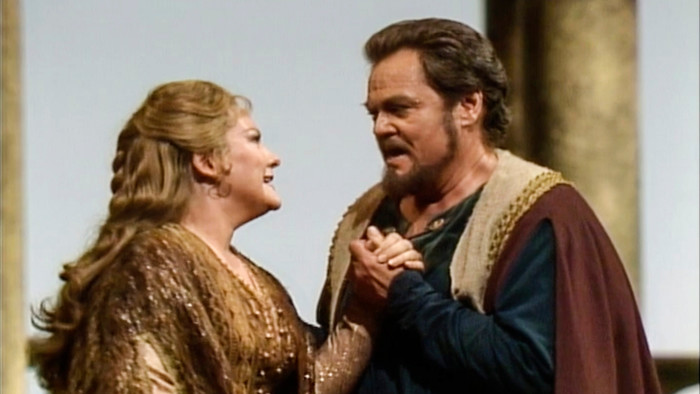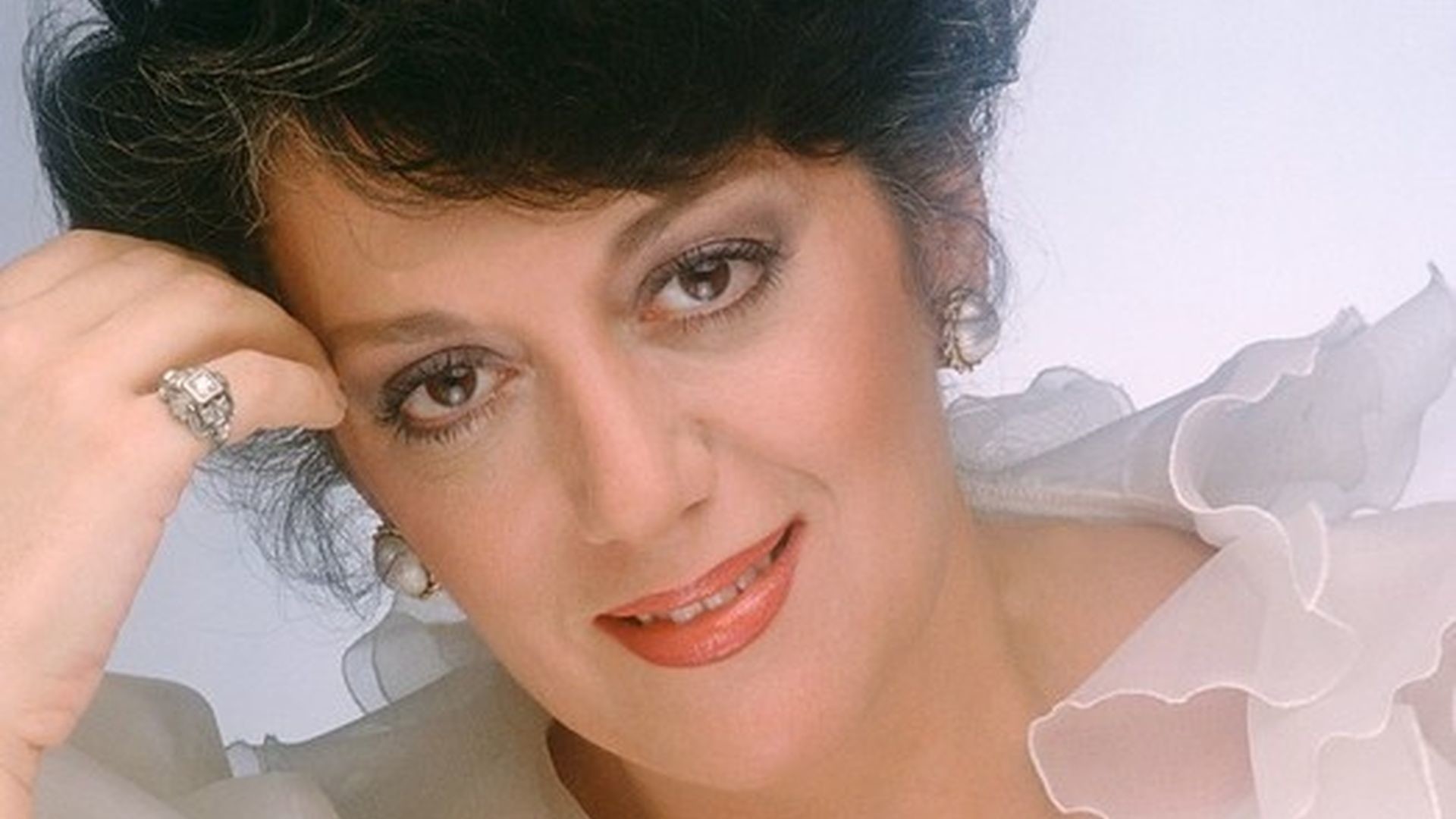
Outstanding American opera singer of Greek and German descent (1938-1993), mezzo-soprano, soloist at the Metropolitan Opera.
Tatiana Troyanos was born in 1938 in New York to a Greek father and a German mother. At the age of seven or eight, she was placed in a Brooklyn children's home, where she began learning piano and discovered opera through recordings by Mario Lanza, Jane Powell, and Maria Callas. She graduated from the Brooklyn Music School and then from the Juilliard School, where during her studies she sang solos in Bach's "St. John Passion" and Verdi's Requiem. Her voice teacher was the Austrian tenor Hans Heinz, with whom she continued to study after graduation.
In 1963, Troyanos made her debut at the New York City Opera as Hippolyta in Britten's "A Midsummer Night's Dream" and performed with that company until 1965, occasionally appearing at other American opera venues, including roles as Dorabella ("Così fan tutte"), Carmen ("Carmen"), and Herodias ("Salome").
In the summer of 1965, the singer went to Europe and became a soloist with the Hamburg State Opera, where she worked for the next ten years and performed, in her own words, "practically every mezzo role."
However, Troyanos's international fame began in 1966 with a performance at the Aix-en-Provence Festival, where she achieved great success in one of her signature roles – the Composer in R. Strauss's "Ariadne auf Naxos". With equal brilliance, she made her Covent Garden debut in 1968 as Octavian ("Der Rosenkavalier").
Her first major American success came in 1971 at the Kennedy Center, where she performed the title role in Handel's opera "Ariodante", with Beverly Sills as Ginevra. This was followed by successful debuts at the Lyric Opera of Chicago (Charlotte – "Werther"), the Dallas Opera (Dido – "Dido and Aeneas"), the Boston Opera (Romeo – "I Capuleti e i Montecchi"), and the San Francisco Opera (Poppea – "L'incoronazione di Poppea"). Finally, in the spring of 1976, Troyanos made her Metropolitan Opera debut in one of her finest roles, Octavian in "Der Rosenkavalier", followed a few weeks later by the Composer in "Ariadne auf Naxos", and then the title role in "Carmen". Another famous Troyanos role was Sesto in Mozart's "La Clemenza di Tito", which she performed, among other occasions, in a 1980 television production with the Metropolitan Opera company.
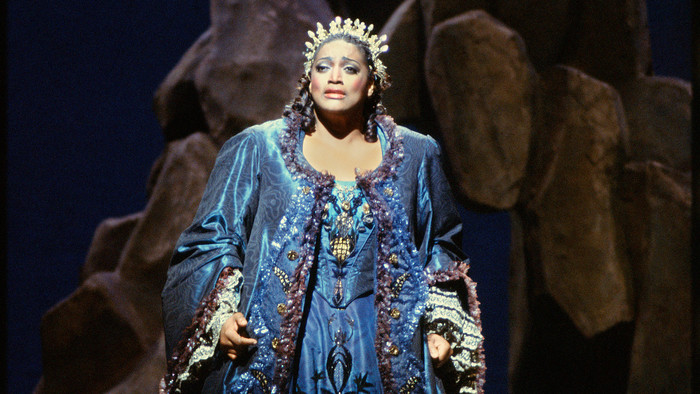
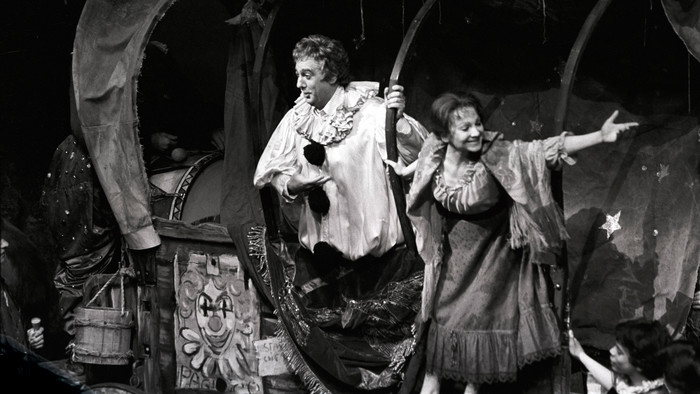
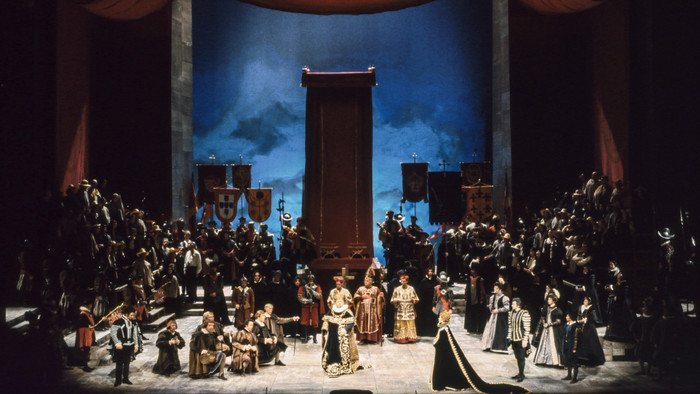
Tatiana Troyanos remained a soloist at the Metropolitan Opera until her death in 1993; she opened the season three times, participated in seven new productions, and was considered one of the company's most beloved artists. At the Met, she also frequently performed the roles of Prince Orlovsky ("Die Fledermaus"), Venus ("Tannhäuser"), Giulietta ("The Tales of Hoffmann"), Princess Eboli ("Don Carlos"), and in 1988 she sang Caesar in the premiere of "Giulio Cesare in Egitto."
Beyond her career at the Met, Troyanos performed on many prestigious opera stages around the world. In 1977, she made her La Scala debut as Adalgisa in "Norma", with Montserrat Caballé in the title role; this was the first opera performance to be televised worldwide.
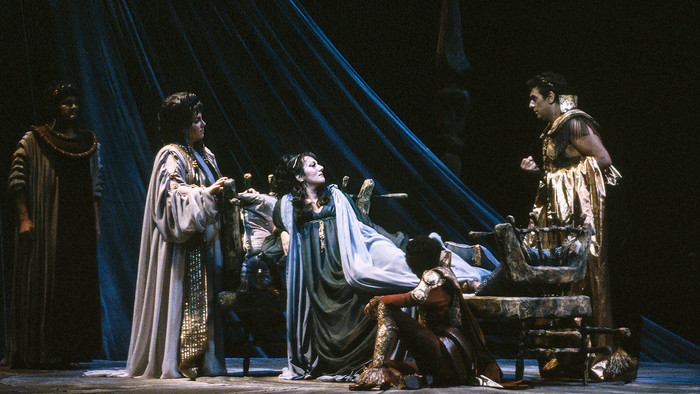
Among the singer's other roles were Orpheus ("Orfeo ed Euridice"), Cherubino ("The Marriage of Figaro"), Maffio Orsini ("Lucrezia Borgia"), Jane Seymour ("Anna Bolena"), Hansel ("Hansel and Gretel"), Countess Geschwitz ("Lulu"), Dalila ("Samson et Dalila"), Marguerite ("The Damnation of Faust"), and Amneris ("Aida"). She also took part in two world opera premieres: Penderecki's "The Devils of Loudun" (as the Prioress Jeanne) and Philip Glass's "The Voyage" (as Queen Isabella).
Troyanos's extensive discography includes 35 broadcasts from the Metropolitan Opera, several broadcasts from the San Francisco Opera and Lyric Opera of Chicago, as well as over 50 studio recordings and DVDs.
Tatiana Troyanos died of breast cancer on August 21, 1993, in New York. She continued singing until the very end – her last performance at the Metropolitan Opera took place in May 1993 as Waltraute in "Götterdämmerung," and she performed successfully at the San Francisco Opera in June. Even on the last day of her life, Troyanos sang for other patients at Lenox Hill Hospital.
Tatiana Troyanos was born in 1938 in New York to a Greek father and a German mother. At the age of seven or eight, she was placed in a Brooklyn children's home, where she began learning piano and discovered opera through recordings by Mario Lanza, Jane Powell, and Maria Callas. She graduated from the Brooklyn Music School and then from the Juilliard School, where during her studies she sang solos in Bach's "St. John Passion" and Verdi's Requiem. Her voice teacher was the Austrian tenor Hans Heinz, with whom she continued to study after graduation.
In 1963, Troyanos made her debut at the New York City Opera as Hippolyta in Britten's "A Midsummer Night's Dream" and performed with that company until 1965, occasionally appearing at other American opera venues, including roles as Dorabella ("Così fan tutte"), Carmen ("Carmen"), and Herodias ("Salome").
In the summer of 1965, the singer went to Europe and became a soloist with the Hamburg State Opera, where she worked for the next ten years and performed, in her own words, "practically every mezzo role."
However, Troyanos's international fame began in 1966 with a performance at the Aix-en-Provence Festival, where she achieved great success in one of her signature roles – the Composer in R. Strauss's "Ariadne auf Naxos". With equal brilliance, she made her Covent Garden debut in 1968 as Octavian ("Der Rosenkavalier").
Her first major American success came in 1971 at the Kennedy Center, where she performed the title role in Handel's opera "Ariodante", with Beverly Sills as Ginevra. This was followed by successful debuts at the Lyric Opera of Chicago (Charlotte – "Werther"), the Dallas Opera (Dido – "Dido and Aeneas"), the Boston Opera (Romeo – "I Capuleti e i Montecchi"), and the San Francisco Opera (Poppea – "L'incoronazione di Poppea"). Finally, in the spring of 1976, Troyanos made her Metropolitan Opera debut in one of her finest roles, Octavian in "Der Rosenkavalier", followed a few weeks later by the Composer in "Ariadne auf Naxos", and then the title role in "Carmen". Another famous Troyanos role was Sesto in Mozart's "La Clemenza di Tito", which she performed, among other occasions, in a 1980 television production with the Metropolitan Opera company.
Tatiana Troyanos remained a soloist at the Metropolitan Opera until her death in 1993; she opened the season three times, participated in seven new productions, and was considered one of the company's most beloved artists. At the Met, she also frequently performed the roles of Prince Orlovsky ("Die Fledermaus"), Venus ("Tannhäuser"), Giulietta ("The Tales of Hoffmann"), Princess Eboli ("Don Carlos"), and in 1988 she sang Caesar in the premiere of "Giulio Cesare in Egitto."
Beyond her career at the Met, Troyanos performed on many prestigious opera stages around the world. In 1977, she made her La Scala debut as Adalgisa in "Norma", with Montserrat Caballé in the title role; this was the first opera performance to be televised worldwide.
Among the singer's other roles were Orpheus ("Orfeo ed Euridice"), Cherubino ("The Marriage of Figaro"), Maffio Orsini ("Lucrezia Borgia"), Jane Seymour ("Anna Bolena"), Hansel ("Hansel and Gretel"), Countess Geschwitz ("Lulu"), Dalila ("Samson et Dalila"), Marguerite ("The Damnation of Faust"), and Amneris ("Aida"). She also took part in two world opera premieres: Penderecki's "The Devils of Loudun" (as the Prioress Jeanne) and Philip Glass's "The Voyage" (as Queen Isabella).
Troyanos's extensive discography includes 35 broadcasts from the Metropolitan Opera, several broadcasts from the San Francisco Opera and Lyric Opera of Chicago, as well as over 50 studio recordings and DVDs.
Tatiana Troyanos died of breast cancer on August 21, 1993, in New York. She continued singing until the very end – her last performance at the Metropolitan Opera took place in May 1993 as Waltraute in "Götterdämmerung," and she performed successfully at the San Francisco Opera in June. Even on the last day of her life, Troyanos sang for other patients at Lenox Hill Hospital.